

The Defence
|
|
The Prosecution
|
|
|
|
The Case
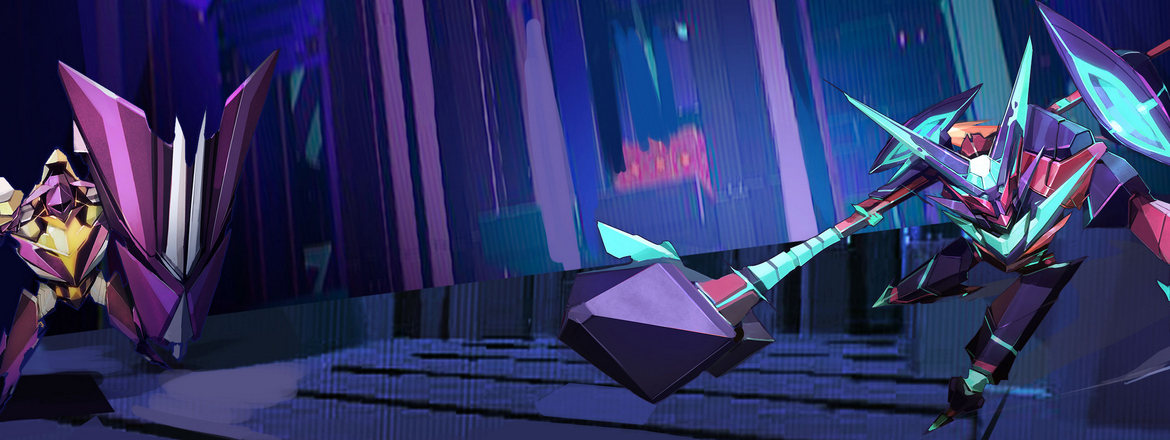
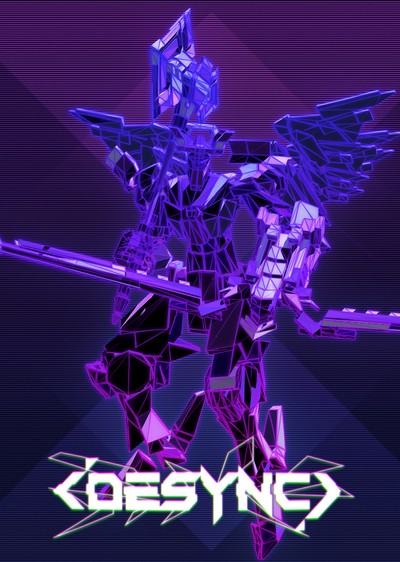
The first game from Australian-based developer, The Foregone Syndicate, DESYNC is a distillation of everything I love about Synthwave, difficult shooters, and score attack modes. With a resurgence of games drawing heavily from the visual and cultural style of the ’80s, this “retro-futuristic” sub-genre prides itself on slick style and presentation above all else. Indeed, DESYNC delivers in droves, drenched in a CRT scanline-heavy visual style that isn’t out of place in a Tron film, DESYNC is a completely radical experience, all while being incredibly fun to boot.
The Trial
The lovechild between Bulletstorm and Tron is about as awesome as it sounds. Despite a few hiccups in gameplay, plus some systems that aren’t wholly explained, the game finishes strong, and provides a great score-attack shooter experience. There isn’t much story to speak of, though DESYNC doesn’t seem to mind much, as the core feedback loop of killing enemies to get higher scores is already so enthralling.
DESYNC is a game of combinations, of finding new and exciting ways to kill whatever it is that’s attacking you. These “attack sequences” range from the simple; such as landing a head-shot on a staggered enemy, to the complex; such as launching an enemy into the air with the rocket launcher, then switching to the shotgun to finish them off. Attack sequences award points based on their relative difficulty, with more points awarded if you add variety in the sequences you use. You can also perform “desyncs” on enemies, where you execute a particular attack sequence based on the color of the enemy. These desyncs impart “bullet-time” and award a whole pile of points, and become essential in the later levels.

Your arsenal consists of basic shooter fare: a pistol, shotgun, rocket launcher, plasma rifle, and more. Each gun has a secondary fire which can be used to string together attacks; for example, the shotgun’s secondary fire sends out a spinning shuriken, which is a requirement to trigger certain sequences. There’s also sidearms and passive abilities awarded after filling meters by killing enemies, which is usually how you’ll get your ammunition back too.
Levels are broken up into combat arenas, which feature claustrophobic hallways and low ceilings, pits of lava and massive geometric obelisks. They’re varied enough to keep the game fresh, yet the overarching theme of the levels offers consistency in enemy design and strategy. You move faster for every string of kills you manage to link together, and with a dodge key, you whirl around in a violent dance of neon colors and pumping bass waves. If this wasn’t obvious, DESYNC is a game that needs to be seen, rather than read about.
The tight, rewarding gameplay culminates in a boss battle, set at the end of each three-level section. Whereas the individual levels were a test of how well you could manage ammo and stringing together kills, with the Boss battles being tests of combat prowess. Tense, extended one-on-one duels, learning patterns until you’re able to sneak in a win are a hallmark of any challenging game, DESYNC smacks of Super Meat Boy in that regard, where death is common, quick, and relatively inconsequential.

Between levels, you wander a small hub area, where you can set abilities, modify weapons, review leaderboards, and otherwise marvel at the architecture of your surroundings. Loadouts and information is conveyed through CRT-styled screens that hang from the walls, with strange wires protruding from every direction. There was, strangely, one screen that remained unused, even after I beat the game, so whether this is indicative of a future update, or something I’ve yet to unlock, it’s hard to say.
A game so stylish is not without its faults however. The middle levels suffer from an overabundance of shield-bearing enemies in close quarters, making it difficult to progress if you can’t stagger the beasts. Too little of the game’s systems are explained, particularly weapon upgrades and sidearm requirements, and the music tracks, strangely, don’t loop within levels, leading to periods of awkward silences, save for sound effects. There were also a few freezes and crashes that I experienced, though such hiccups were thankfully only encountered in DESYNC’s hub world.
The thudding bass and synths of the soundtrack by Daniel Deluxe and Volkor X make DESYNC the complete synthwave experience. The grinding, distorted guitars send adrenaline shooting through your veins as you’re frantically blasting away at all manner of creatures closing in; the warped melodies combine with the Lo-fi sound effects to create a wonderfully cacophonous symphony.
The Verdict
DESYNC is relentless, stylish, and a must-play for any fan of score-attack shooters. Even if you’re not a traditional fan of “harder” electronic music, experiencing DESYNC in motion, with creatures and projectiles flying while the bass thumps in your headphones makes it well worth the trip. The tight, finely-tuned gameplay rewards creativity and usage of your entire arsenal, while the steady difficulty progression keeps you on your toes throughout the game. With a host of post-release support and quality-of-life changes, The Foregone Syndicate has a lot to be proud of in DESYNC.
Case Review
-
Earworm: Music is well-fitted and is easily listened to outside of DESYNC.
-
Back to the ’80s: Visual style is consistent, well-defined and distinctive.
-
88 MPH: Action is fast-paced, and rewards skillful, creative play.
-
Cracking the Code: Some gameplay systems aren’t fully explained.
-
Glitch in the System: Occasional crashes and bugs reared their heads
-
Midlife Crisis: Middle series of levels are considerably weaker than the other sets.
Evidence


- Graphics: Uncapped framerate, an incredibly wide FOV option (140), limited supersampling options for 21:9 ratios, interlacing adjustments (faux CRT-scanlines) and a few Anti-Aliasing choices.
- Audio: Sliders for master, music and effects volume. Effects do run quite loud, and music in boss battles is noticeably louder than normal. No stereo configurations, though positional audio worked just fine.
- Controls: You can set different sensitivities depending on the mouse axis. No mouse acceleration included. Fully customizable controls, and the option to set up three different control presets.
- Gameplay: Disable tutorials, change size of HUD elements and change blood levels. Also the ability to change spawn indicators and threat warnings, which, when disabled, boosts your score.
Gallery


Activity
-
Cat Cafe Manager – Releasing April
5 years ago
On my birhday! Nice -
Chicken Police – Releasing November
6 years ago
Wut? -
Final Fantasy XVI – Announcement (Updated)
6 years ago
This might be an actual Final Fantasy for a change. I'll remain sceptically optimistic -
Future Games Show August 2020
6 years ago
Die by the Blade didn't just steal the show, it is the show, now -
E3: Guerrilla Collective 2020 Day 1
6 years ago
No Werewolf? Interesting
Comments (0)