

The Defence
|
|
The Prosecution
|
|
|
|
The Total War franchise is about what its name suggests – mobilizing your nation for full on war. That’s why it doesn’t have such thing as a cultural or a diplomatic victory. There is only one way to dominance – conquest! And in Medieval II: Total War, you will lead one of the medieval European countries to victory…or miserable defeat.
As usual, the game is split between the campaign and battle maps. The vanilla campaign encompasses Europe and North Africa; with Russia getting shafted as usual since, you know, Russia is bigger in size than Europe. Yet not all historical countries are present (this is not a Paradox game) – you can choose from five big ones like England and France, the rest are unlocked as you defeat them. I was pretty pissed that you couldn’t play as the Papal State, but seeing how important it is to the whole gameplay (who else will excommunicate you), it was probably too hard to do it from the technological standpoint. It’s either this or laziness.
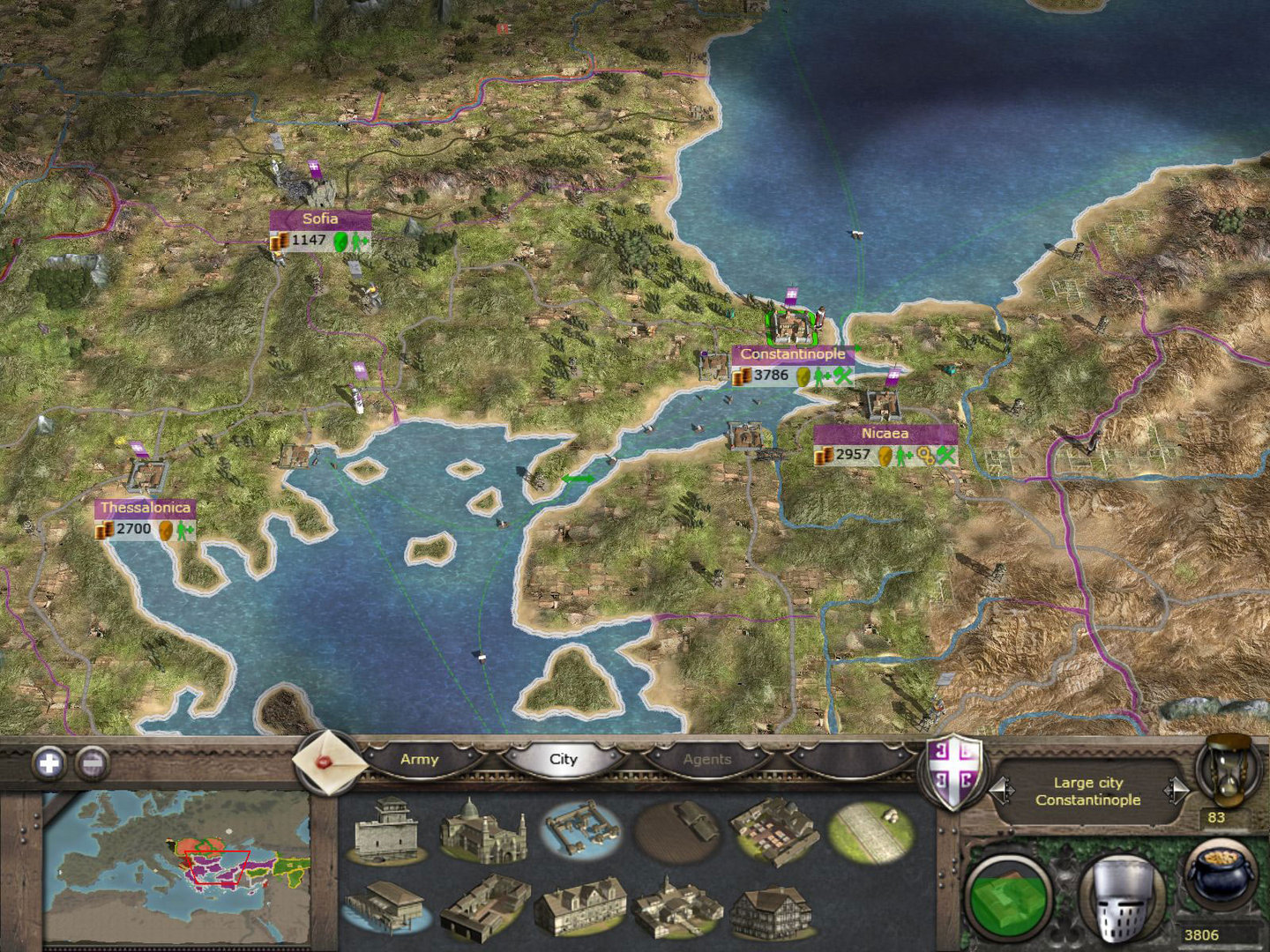
The campaign map is where the good stuff happens and endless hours are spent on turn-based empire building. There are cities that need to be managed – tax rates to be set and, most importantly, buildings need to be built. In Medieval II, cities are a lot less finicky than in Rome: Total War and squalor just doesn’t spin out of control no matter what you do. This all makes for a better, easier play – and then you realise the need to account for religion, since no city wants to be run by heathens. But even with this addition, city building is quite fun and easy to learn. Another big difference from Rome is that cities now come in two types: cities and castles. The former earns more money, but build only militia units, the latter are terrific defensive installations that produce your best units, yet they lack the financial power of cities. These types can be switched, so you might consider converting outlying, unreasonably far from the front fortresses into bustling burgs.
The campaign map is also the place where you build and move your armies as well as dispatch various agents. Armies preferably should be lead by family members and nobles – otherwise they might turn traitor! But when not rebelling, they can lay ambushes in forests, lay sieges or be sent on a crusade (only reasonably large armies can join a crusade or Jihad). Yet armed bands of men are not the only people present on the map. Diplomats, spies, assassins ply their trade here, as well the newly introduced princesses (diplomats with tits), merchants and holy men (they spread religion in their region and can challenge heretics – the only non-military actors that rebels get). Diplomats conduct diplomacy and offer bribes, spies spy and open gates of besieged fortresses, assassins deal with pesky enemy characters and sabotage buildings in cities, yet its the merchants that cause grief with no end. Resources now dot the landscape and merchants can be sent to trade them. Unfortunately, rival merchants from other factions can come and buy them out, costing you both the merchant and the good. And since your own traders can barely count to three, the only way of disposing of the opposition is assassination – and that is always risky.
Like you didn’t have enough stuff to worry about: favour of the Church, impending rebellions, historical off-map invasions, Pope’s interference in wars… Politics now is a stronger beast than it was in Rome. And when the Pope says jump, you say “how high?”. This can be difficult if you were not the one who started the war the Vatican forbids you to fight. Time to soup up the defenses, right?
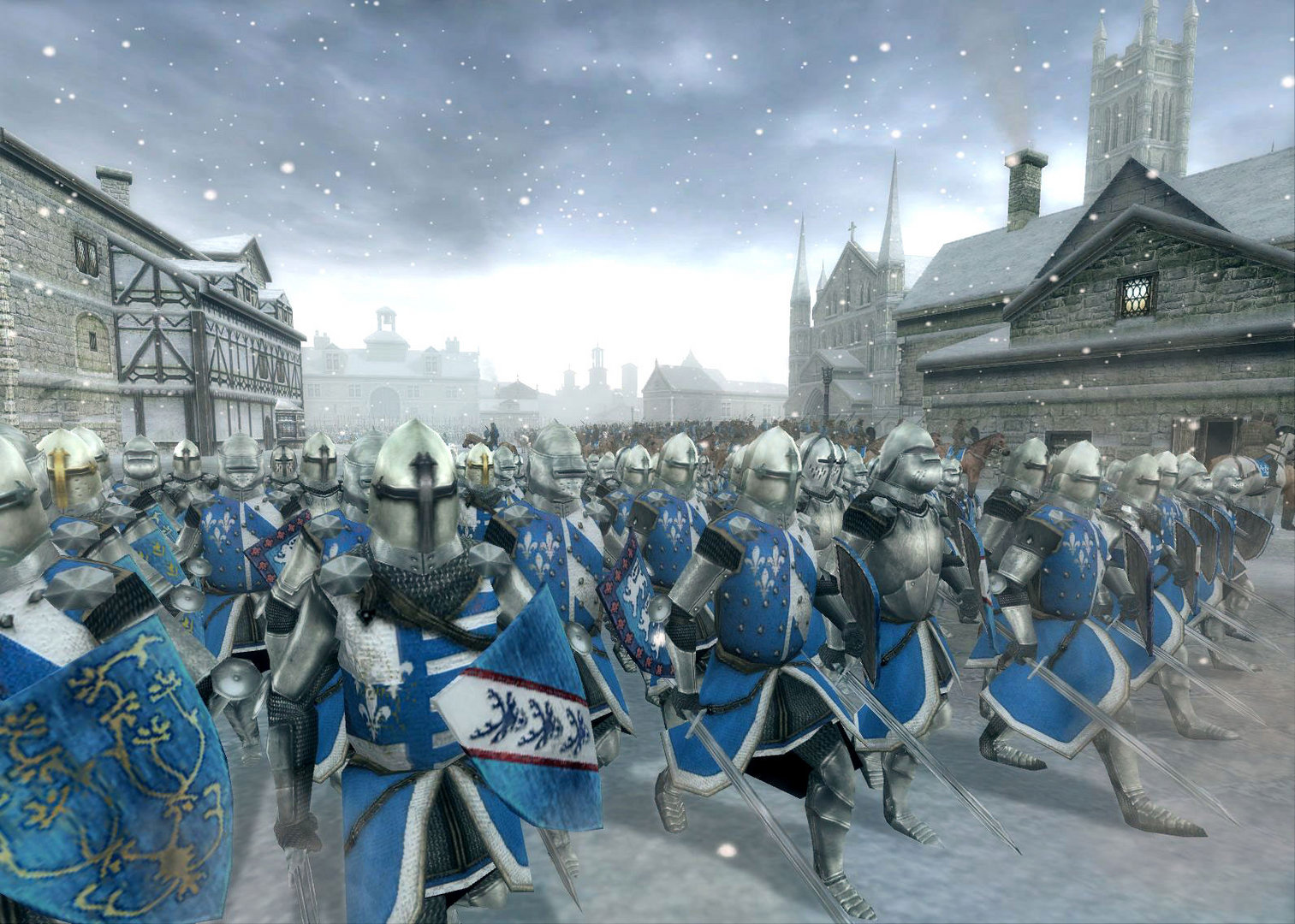
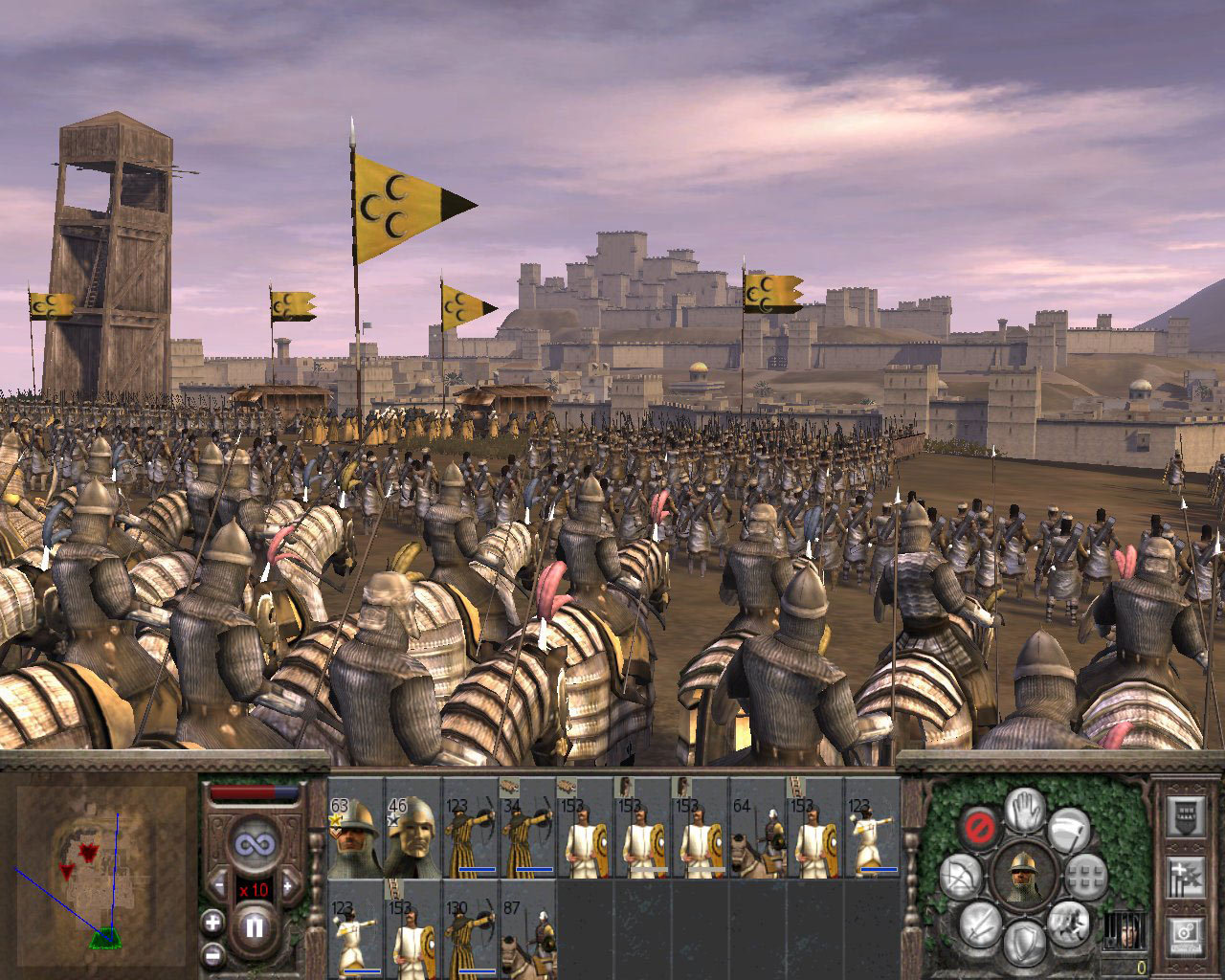
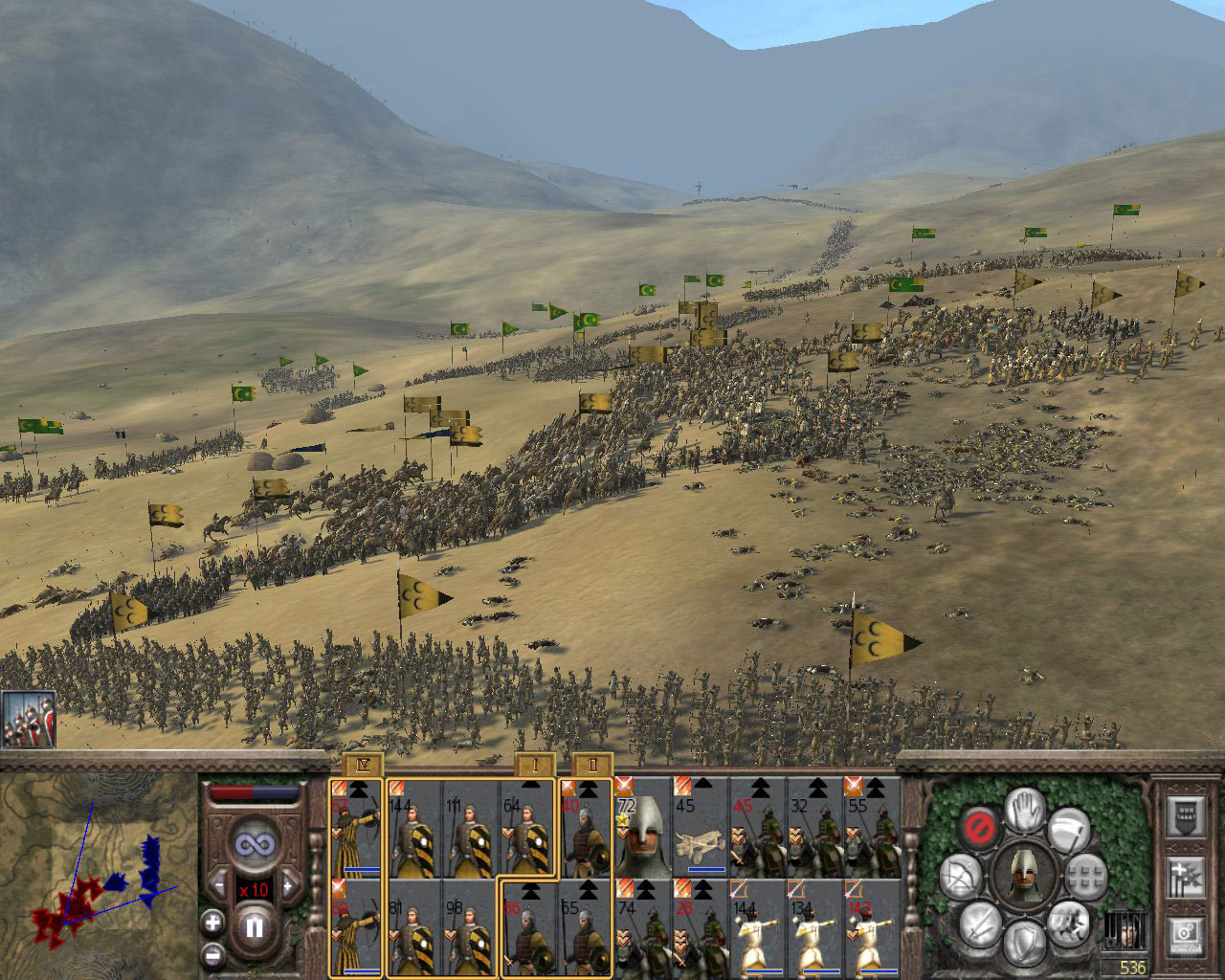
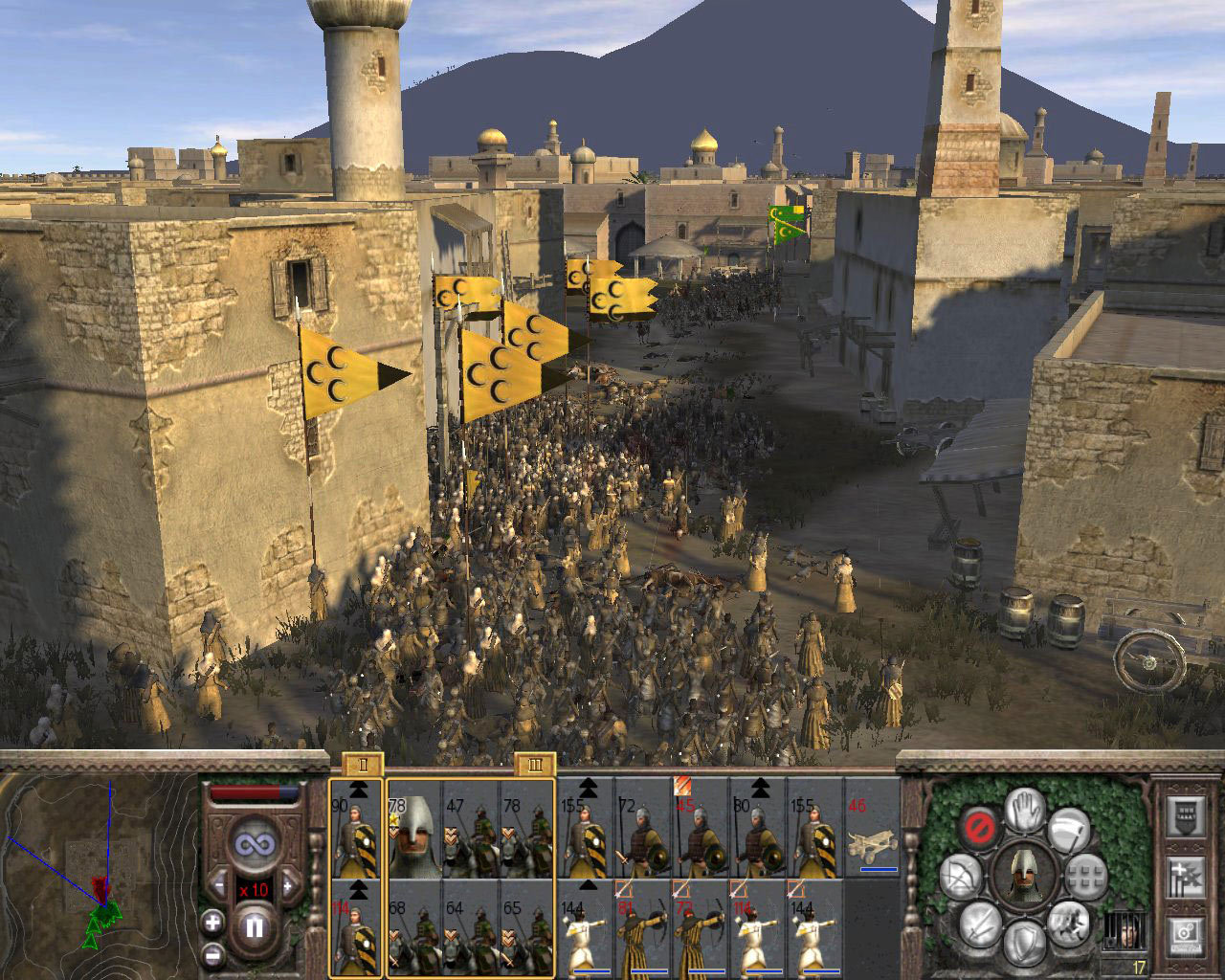
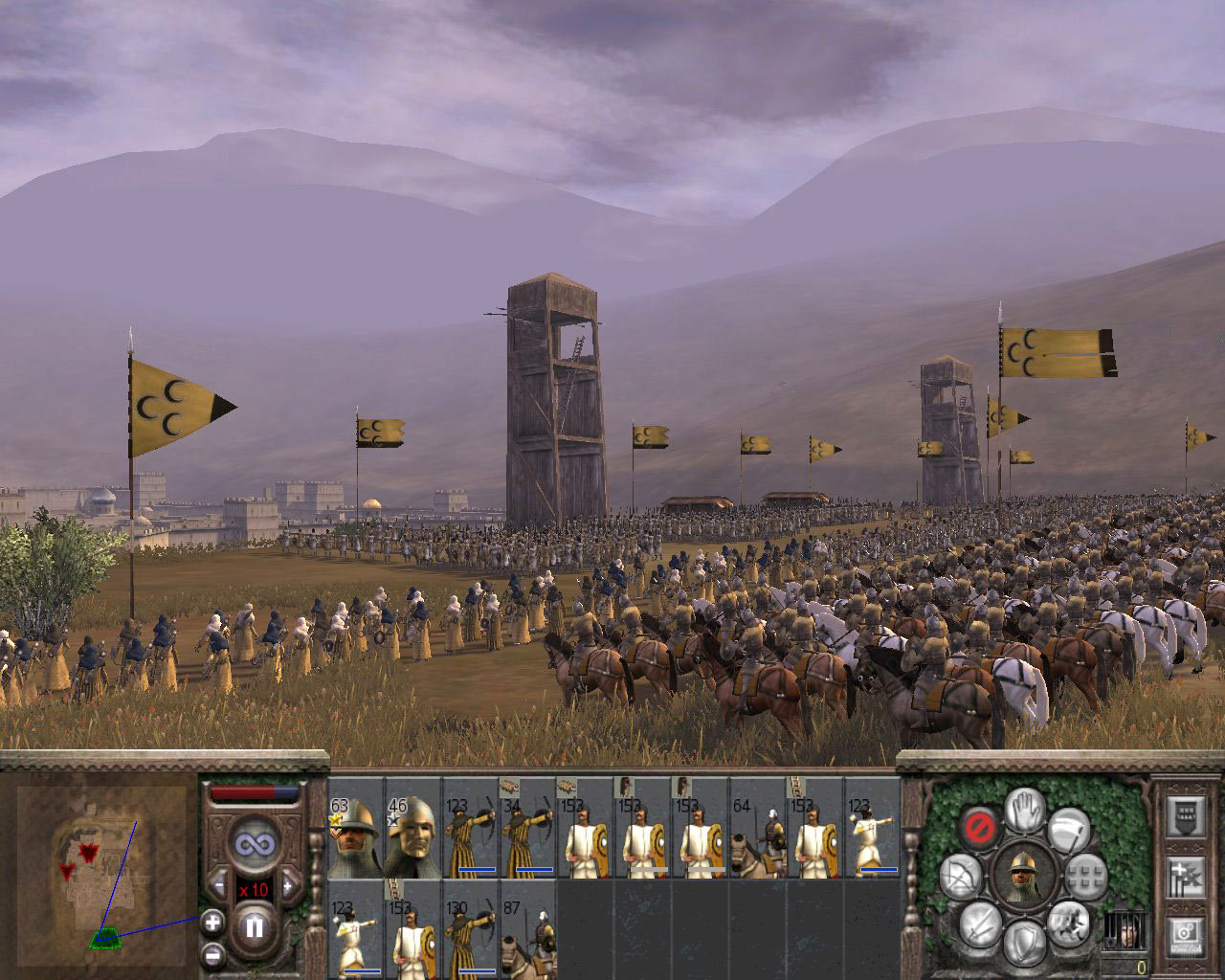
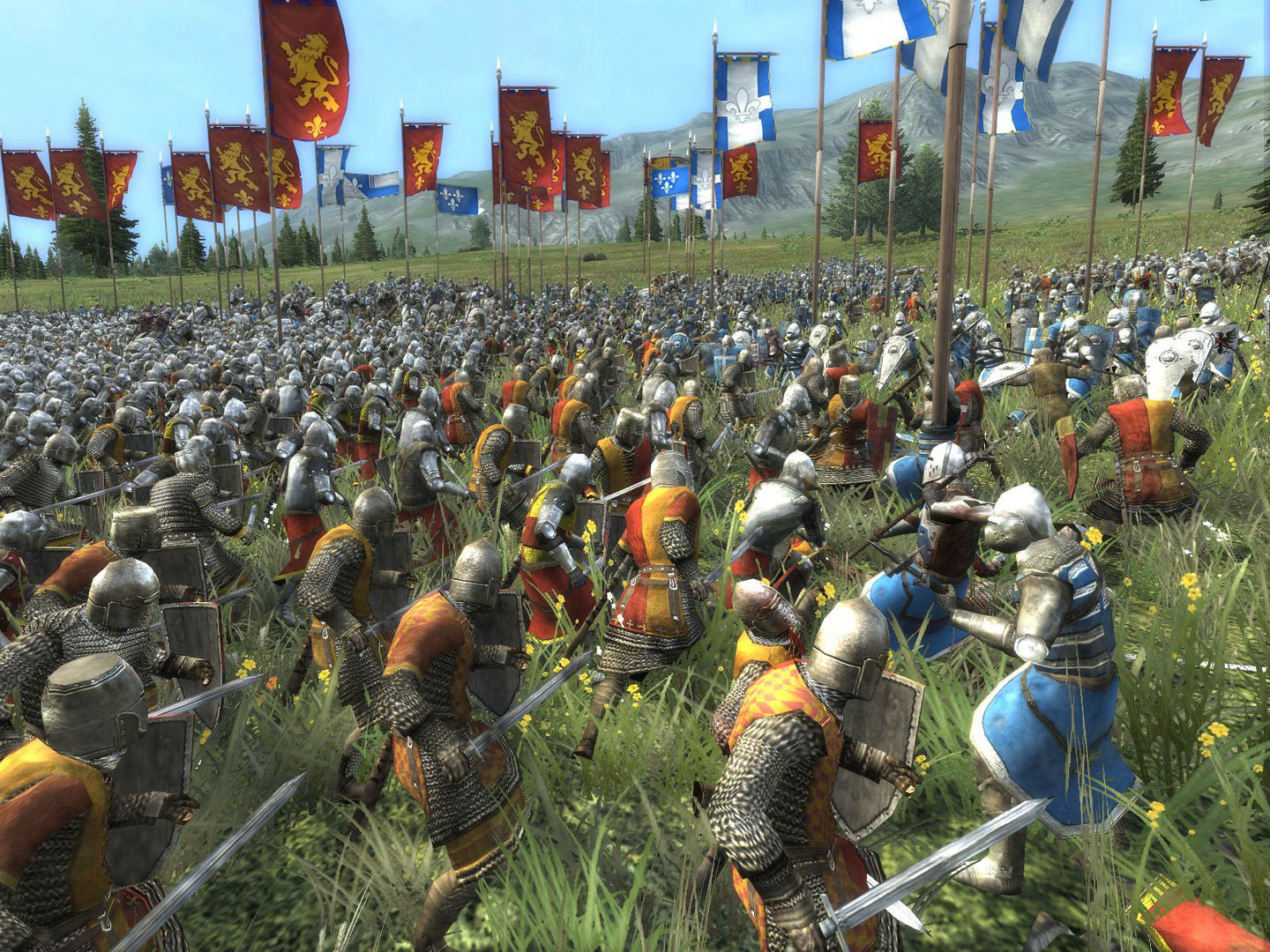
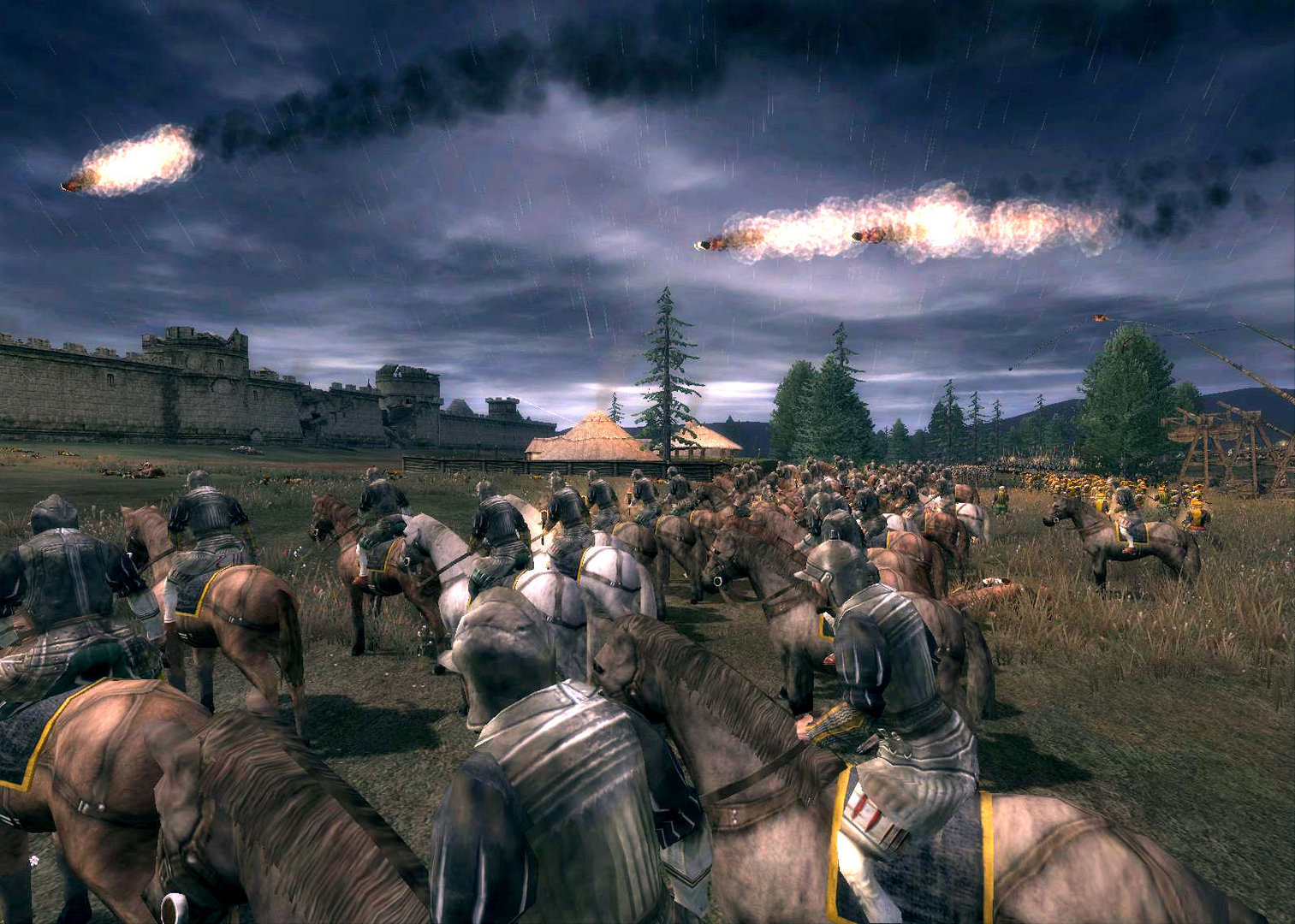
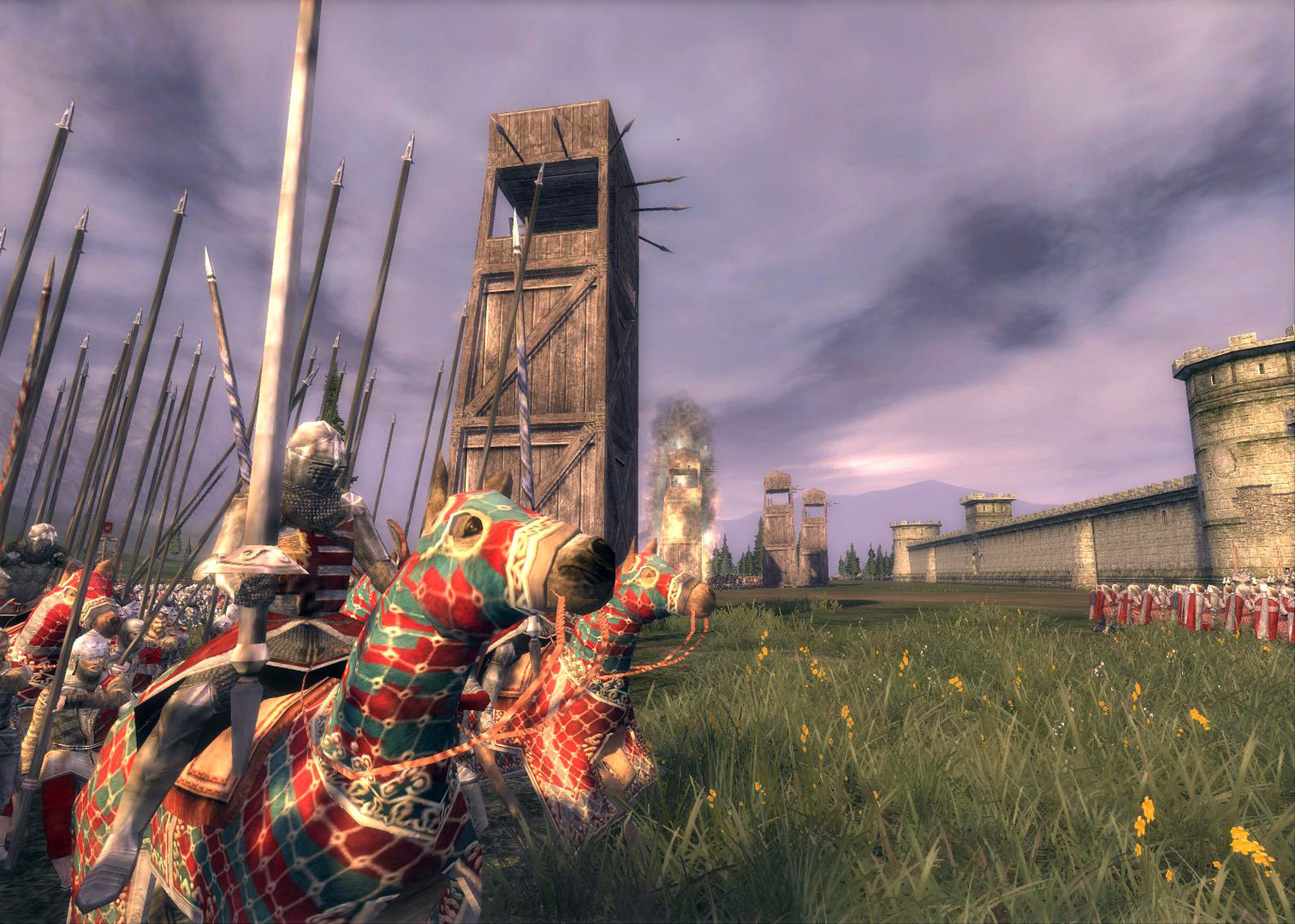
Luckily, some respite can still be found in battle – or you can avoid it since the AI is now quite competent in carrying auto-battles. But should you choose to engage in real time battle, you’ll be met with massive sieges, cavalry charging in the fields and infantry clashing in forests. Archers now play a much higher role in the scheme of things, as well as cavalry (at least compared to Rome: Total War). At the same you have ample spear-men to show those snotty knights and heavy infantry to wipe the floor with anyone they can get their hands on. The increase in units is huge compared to Rome, especially when you consider how many new nations are in play. Medieval II is stunning in variety, especially when you consider the fact that troops in the field are no longer identical. Couple that with the fact that armor and weapon upgrades are also depicted visually… Medieval II is a sight we never saw before and after. Yes, I’m aware of both King Arthur II and Shogun II – shut up.
In the end, Medieval II: Total War is a stunning follow up and excellent game on its own right. Probably the best 4X (if it can be called that way) game for me and the best Total War game to date. Like I say, Total War – Totally Awesome!
Gallery


Activity
-
Cat Cafe Manager – Releasing April
5 years ago
On my birhday! Nice -
Chicken Police – Releasing November
6 years ago
Wut? -
Final Fantasy XVI – Announcement (Updated)
6 years ago
This might be an actual Final Fantasy for a change. I'll remain sceptically optimistic -
Future Games Show August 2020
6 years ago
Die by the Blade didn't just steal the show, it is the show, now -
E3: Guerrilla Collective 2020 Day 1
6 years ago
No Werewolf? Interesting
Comments (0)