

The Defence
|
|
The Prosecution
|
|
|
|
Must admit, I missed Blue Shift when it first arrived. It was about a year after Half-Life was ported to the PlayStation 2 and I mentioned to one friend that another had it. Imagine my surprise when he told me there were not one, but three expansions! The third, it seems, doesn’t exist, so he was probably on crack. Or maybe it’s a mod. But if it is, I still can’t find it. For those who care, you play as a janitor (supposedly) and it ends with you being shot to death by soldiers after kicking a door in. Does sound like a mod doesn’t it?
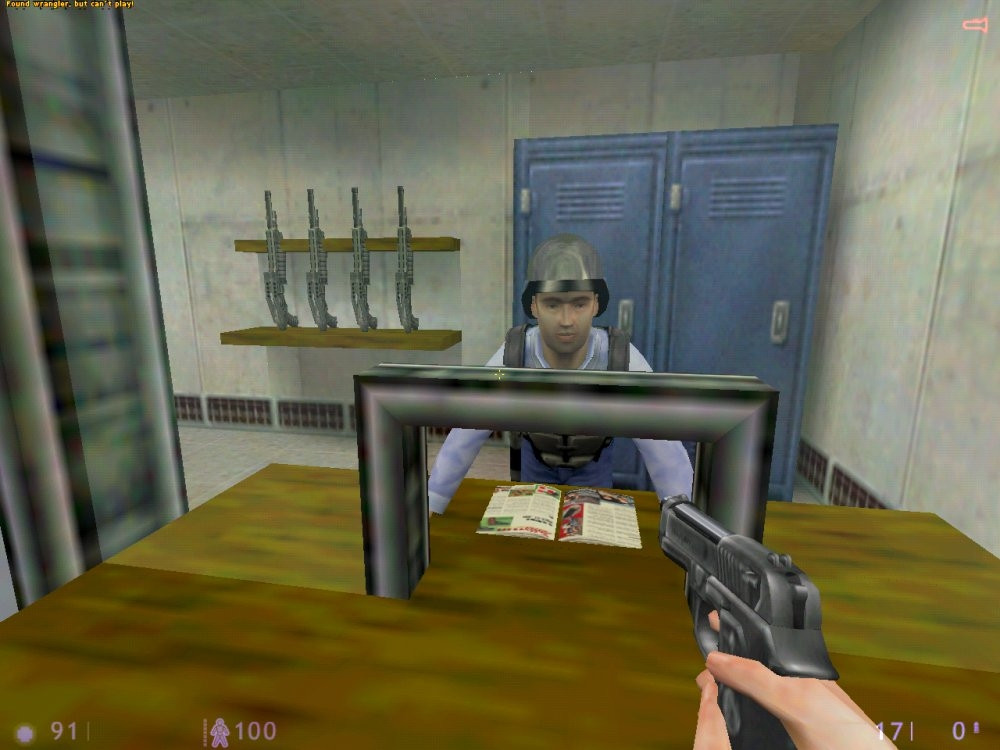
But anyway, Blue Shift. This time you take on the role of Barney, the same security guard you have quite regular contact with during the main game. In fact, you sort of see how his game ends during Half-Life. Or, at least, you (should) already know that he escapes safely with the other scientists. And he does, escape I mean. That is precisely how Blue Shift ends. To reflect this, because that was around half-way through Half-Life, Blue Shift is notably shorter. That’s not to say that it’s short, but it is an expansion, don’t forget.
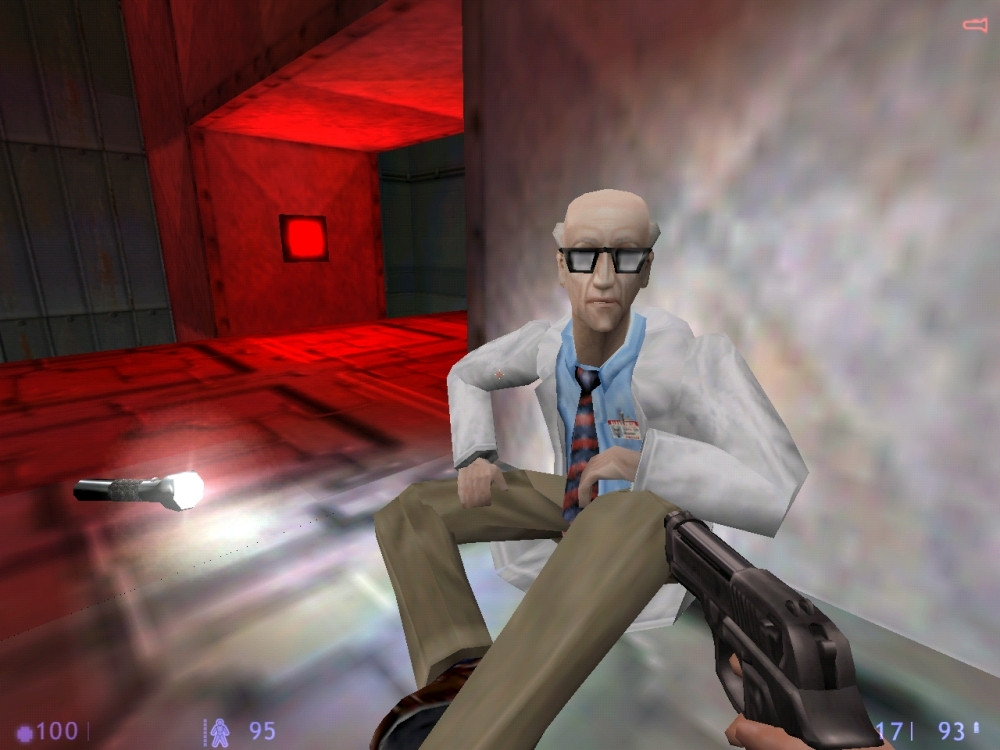
The plot follows some of the events of the core game, with some divergence during the periods when Barney and our boy Gordon are separated. Remaining consistent, and adding more detail over the top of what we already know. Most importantly, it allows us to get to know Barney all the better. He’s a real sweet heart, and it was a damned shame he didn’t have a larger role in Half-Life 2. But that’s another story.
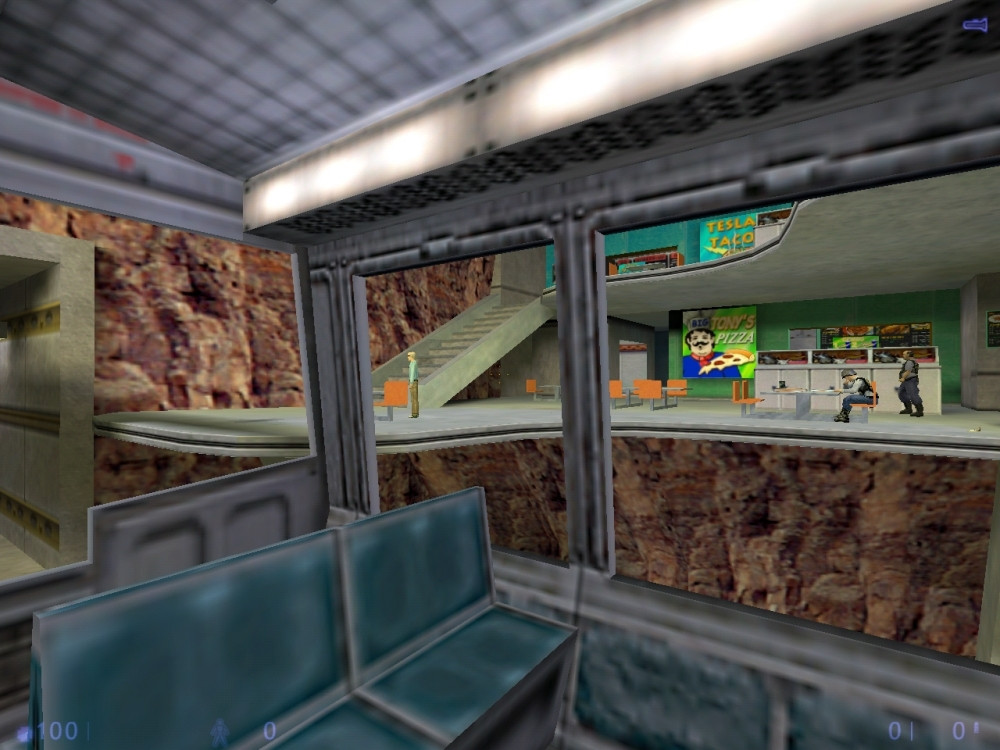
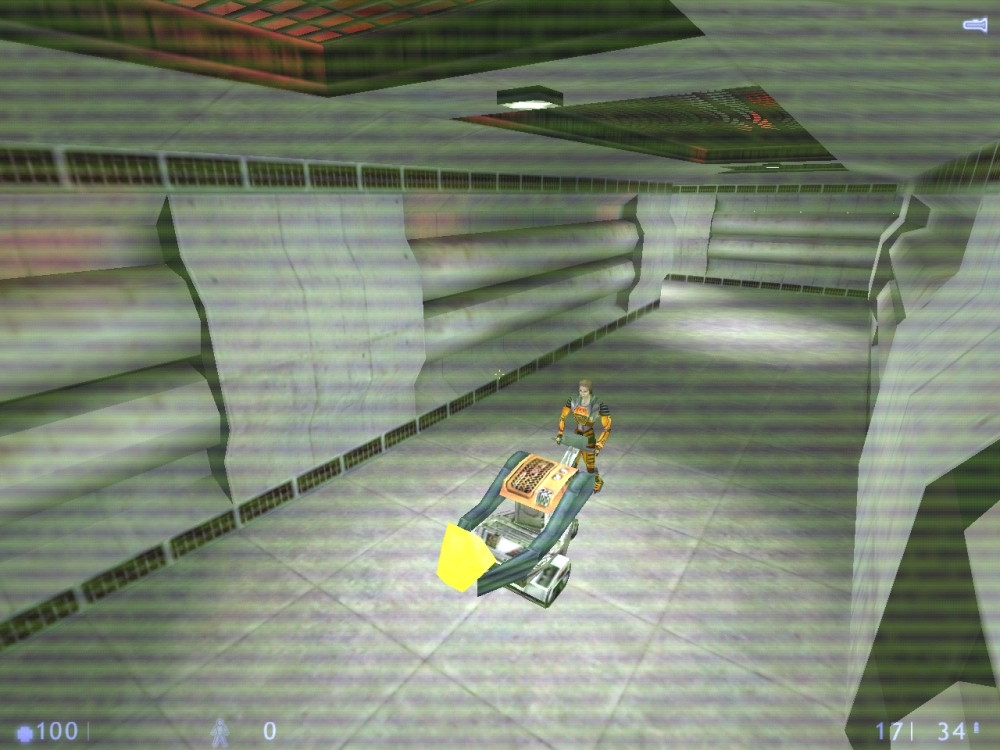
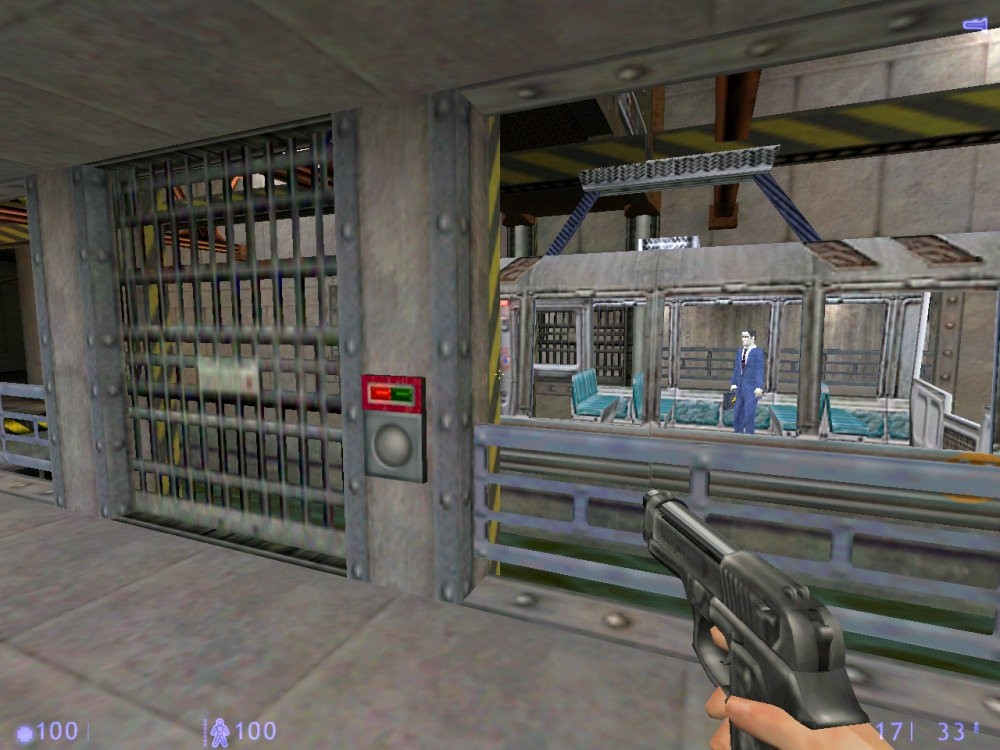
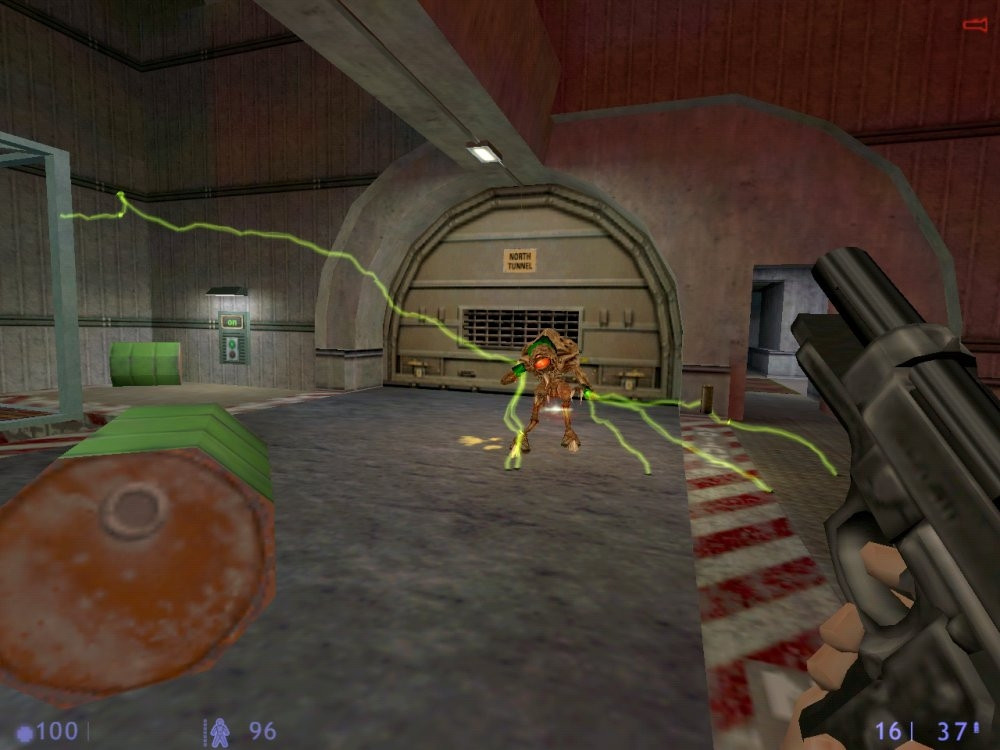
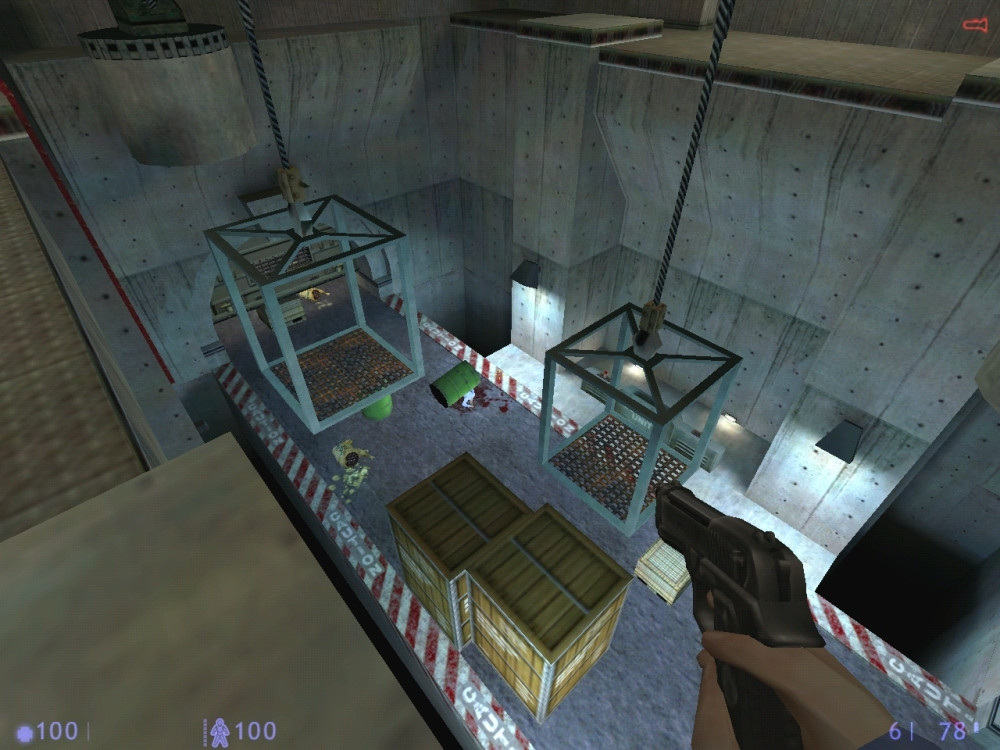
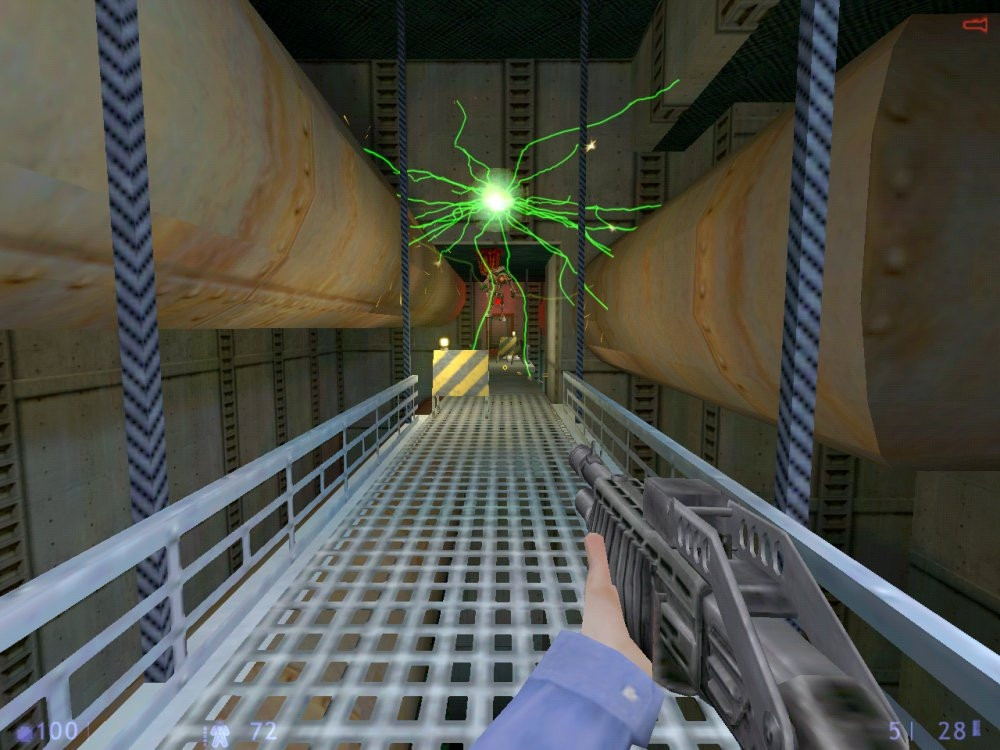
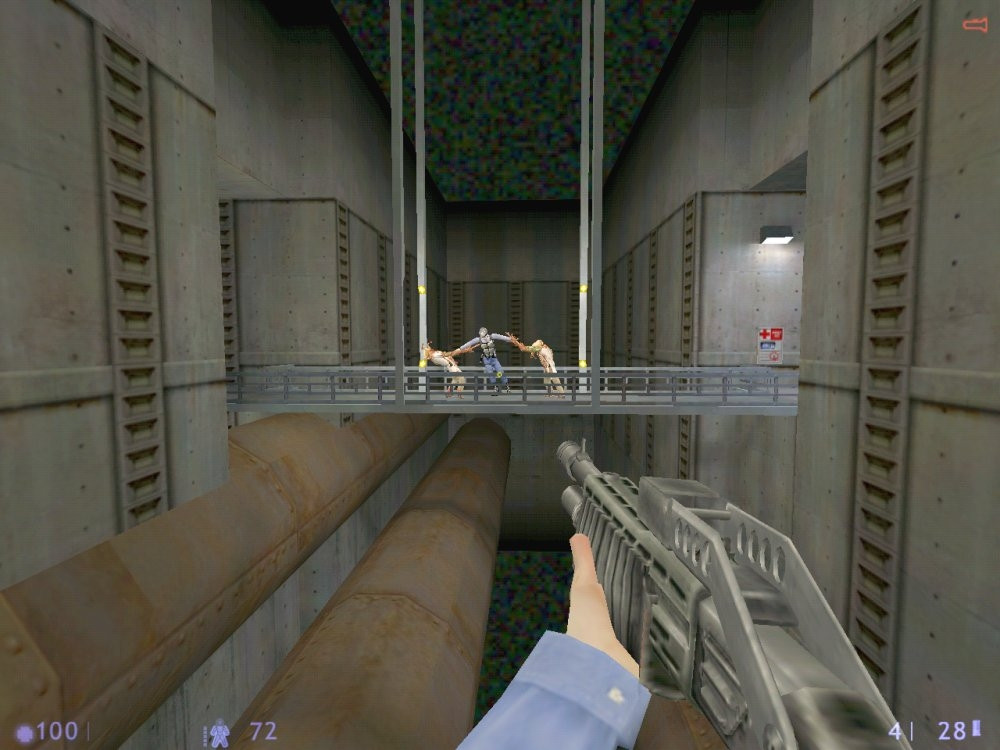
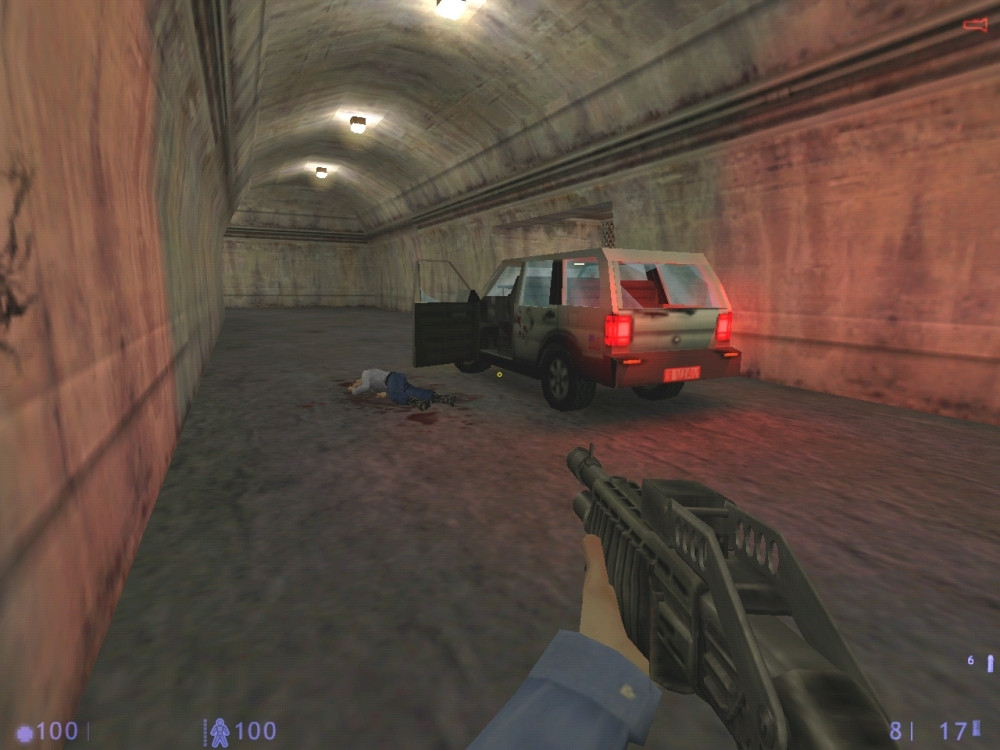
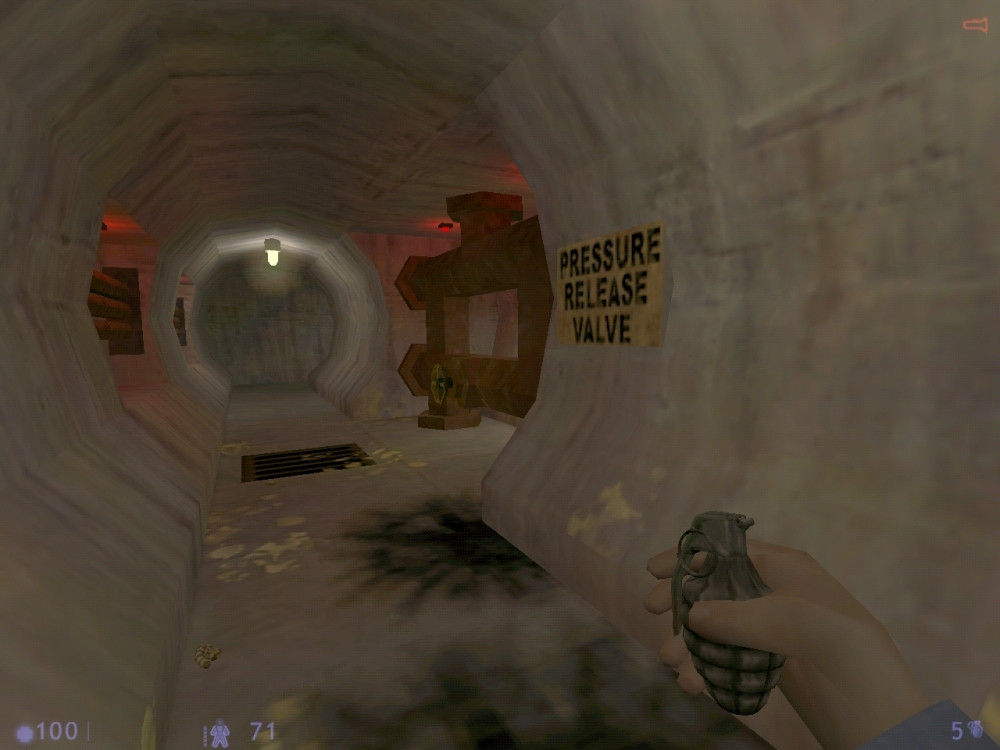
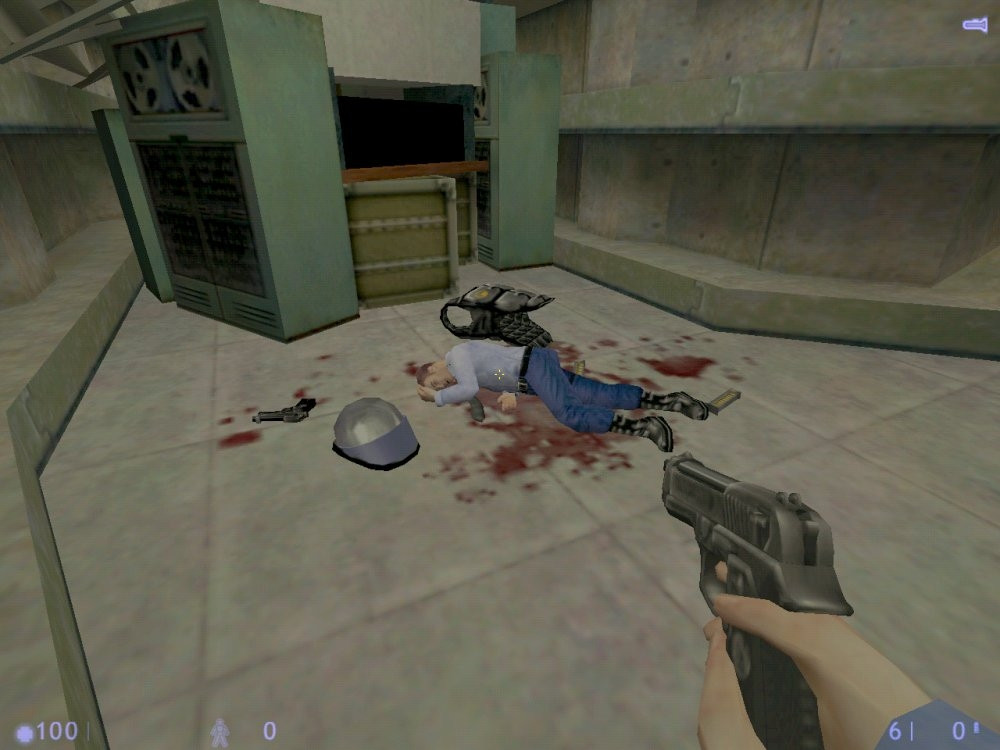
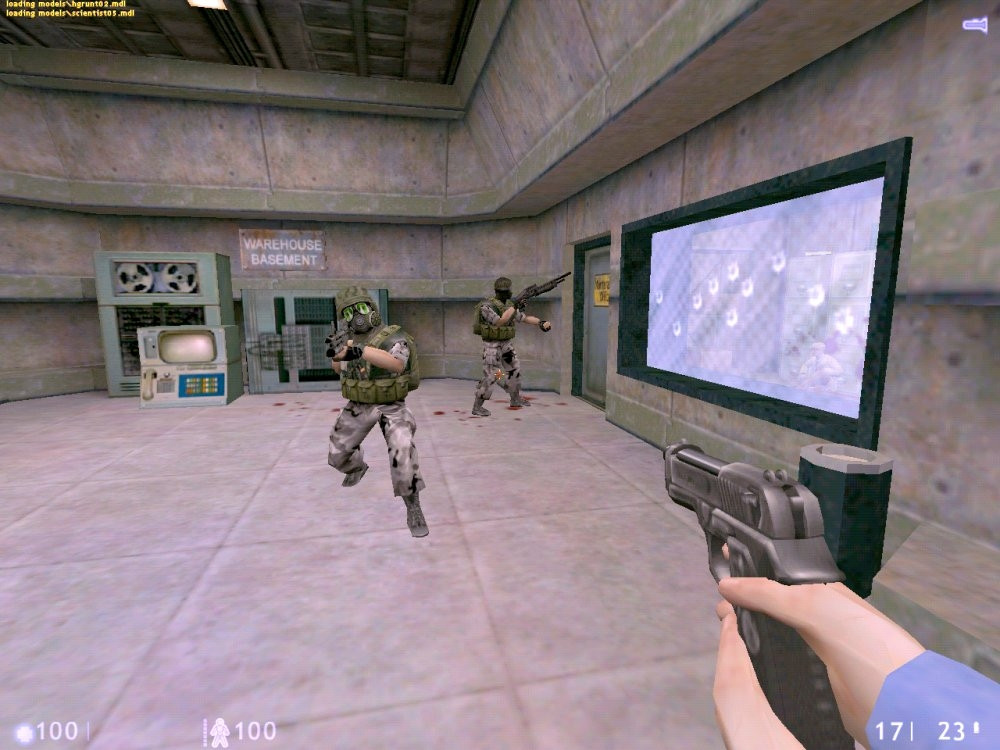
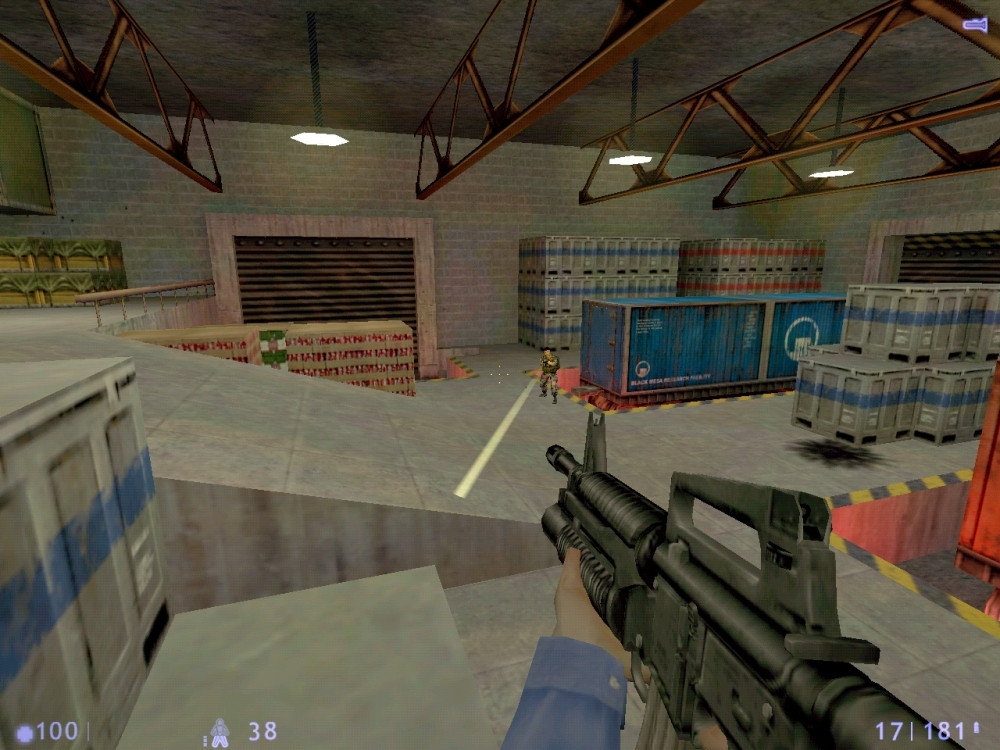
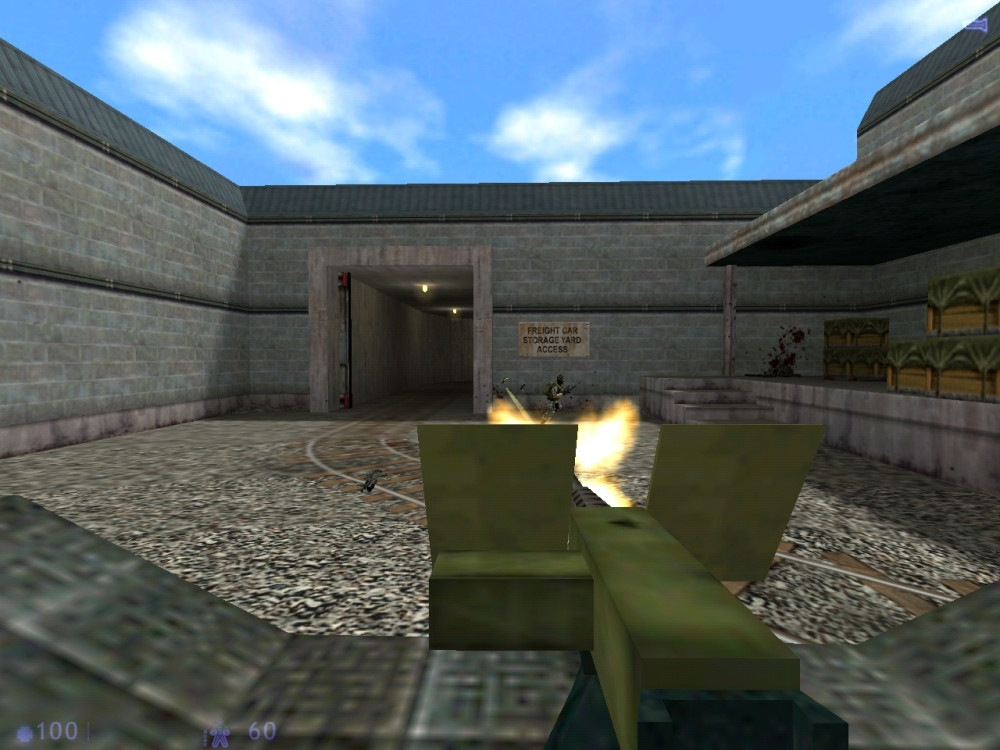
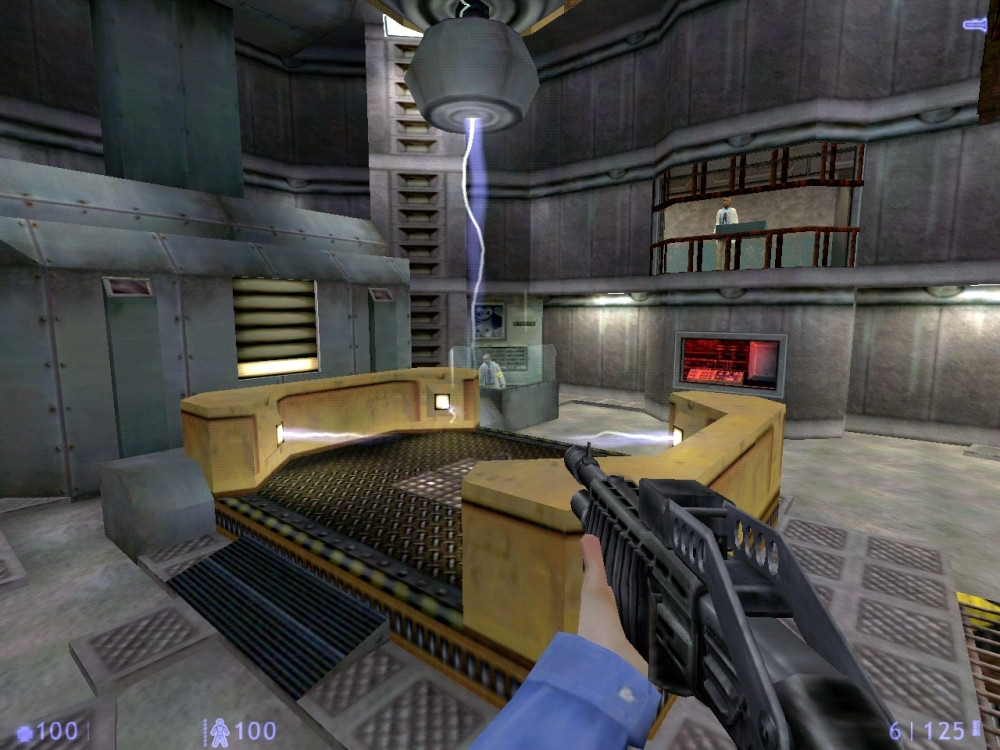
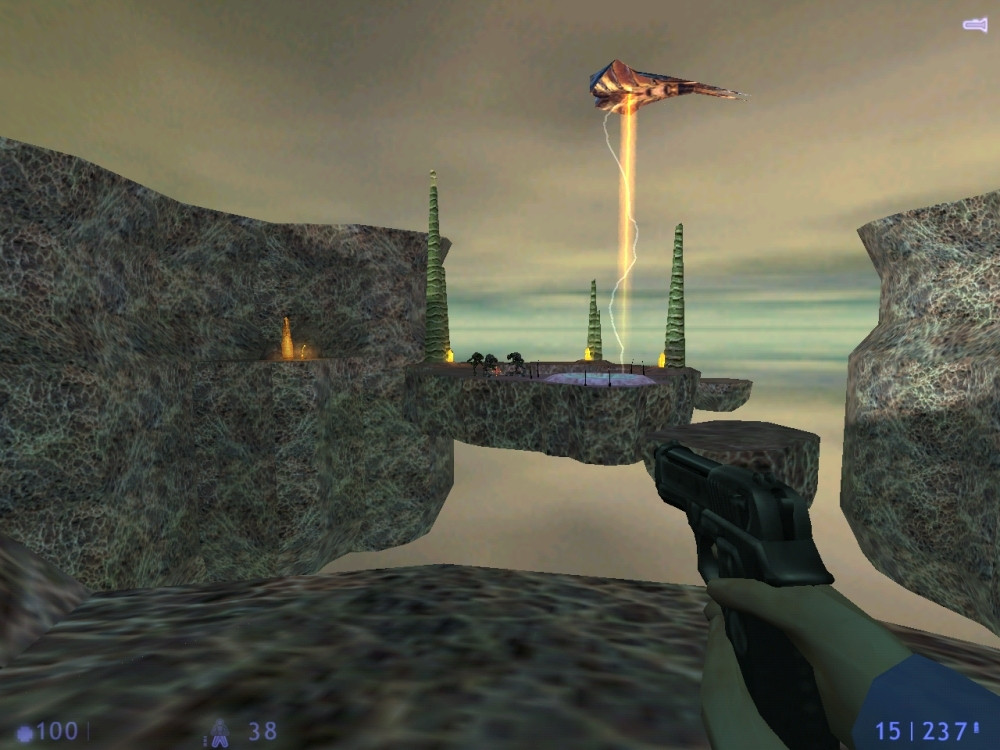
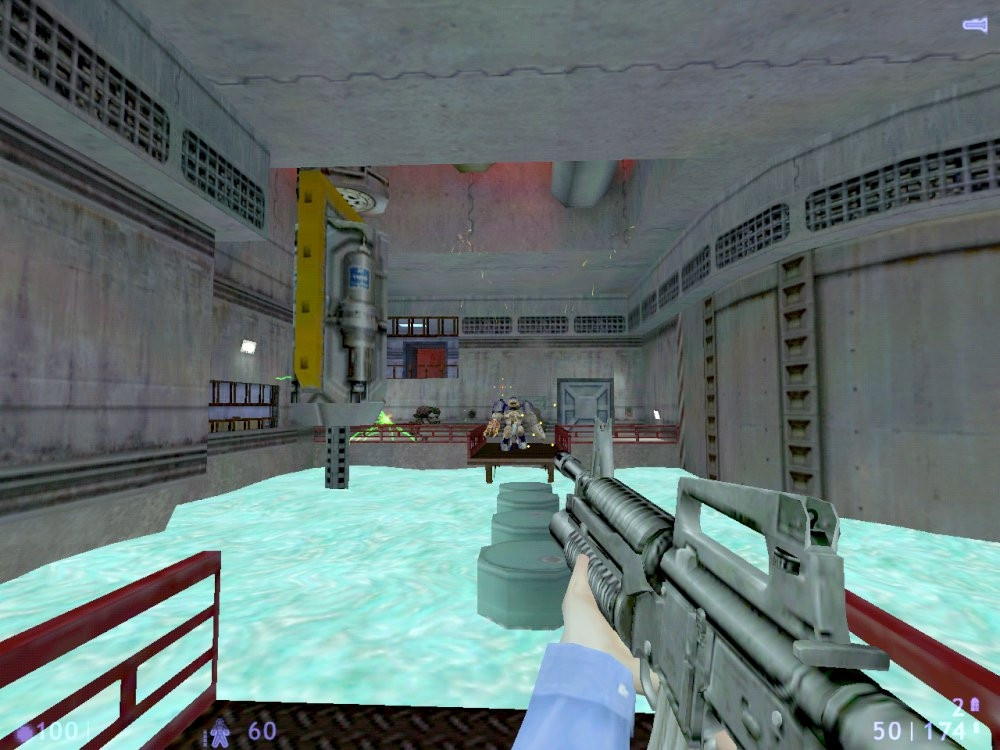
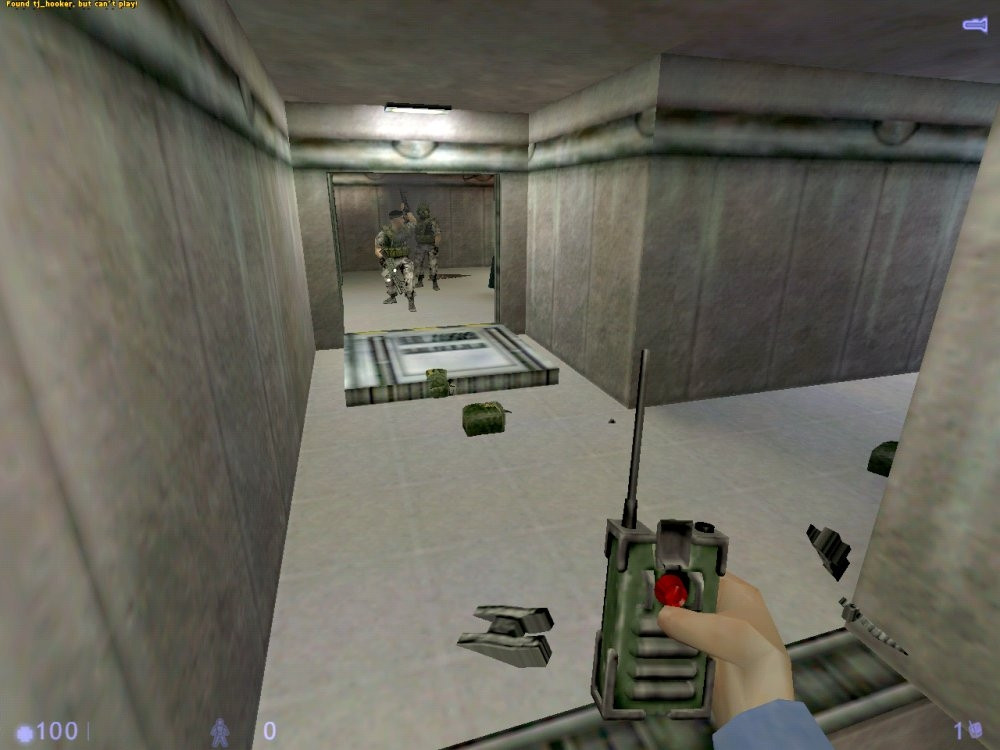
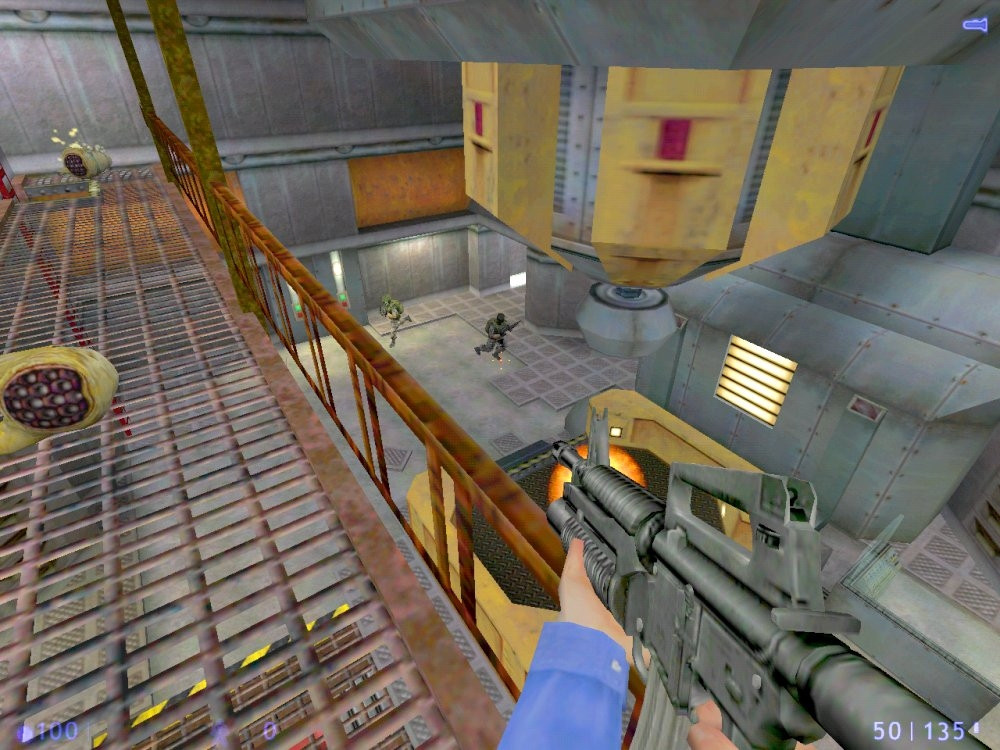
Graphically the game was an immense improvement over the original (and first expansion – Opposing Force) with assets that were (mostly) later added as an update to the core which included new sprites for weapons as well as tweaked character models. Looking back on it now, obviously, it’s an old game with dated graphics. But at the time it was mind blowing. Again. Reaffirming Valve as the one to match when it came to visual fidelity.
Gameplay wise, however, there’s nothing different from the core game. Not all that surprising, there wasn’t anything that needed changing. The largest real difference was in the weapons, which also saw an overhaul from the first two games. Mostly the only impact was the way they looked, but the SMG was swapped out entirely in favour of an M16 assault rifle, still with grenade launcher attached, so fear not. Nifty. It’s a fun expansion that, whilst containing a much smaller Xen visit, expanded on the Black Mesa facility and paved the way for the later Source enhancements.
If I was to make any complaint it would be in the audio. I mean, the voice acting is perfectly functional and emotive, sound effects and music are all really good, but hot damn are they low quality, all scratchy and distorted. It’s worth noting though, this is in no way a reflection of poor quality control on behalf of Valve, a fully voiced, cinematic game like Half-Life was something extremely new and Valve were not the immense powerhouse they are now. Resources were…limited. In fact, it’s precisely because of how much they did, with the Half-Life series, on such a small budget that propelled them to where they are today.
Awesome game is awesome.
Gallery


Activity
-
Cat Cafe Manager – Releasing April
5 years ago
On my birhday! Nice -
Chicken Police – Releasing November
6 years ago
Wut? -
Final Fantasy XVI – Announcement (Updated)
6 years ago
This might be an actual Final Fantasy for a change. I'll remain sceptically optimistic -
Future Games Show August 2020
6 years ago
Die by the Blade didn't just steal the show, it is the show, now -
E3: Guerrilla Collective 2020 Day 1
6 years ago
No Werewolf? Interesting
Comments (0)